









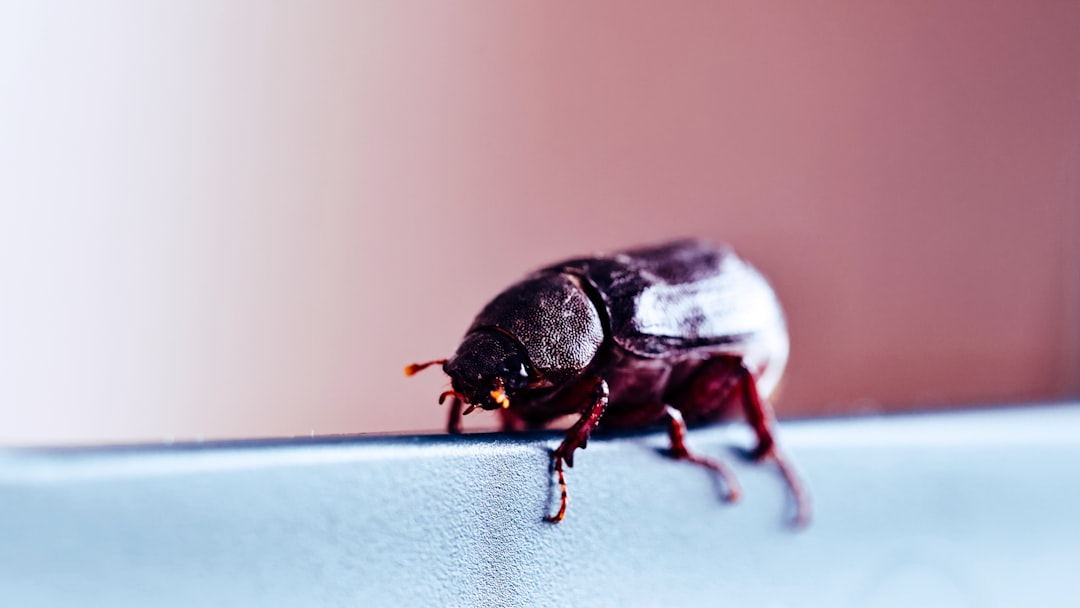
Stored-product pests can become a frustrating problem when they enter kitchens, pantries, warehouses, or other areas where dry materials are kept. Among these pests, the cigarette beetle can infest a surprisingly wide range of products and may remain unnoticed until adults begin appearing around storage areas. Effective Cigarette Beetle Control (菸甲蟲防治) begins with correct identification, locating the source, removing infested materials, improving storage practices, and maintaining regular inspections. A consistent approach can help reduce an existing infestation and limit the possibility of future activity.
In This Article
- Understanding Cigarette Beetles
- Identifying an Infestation
- Finding the Source
- Removing Infested Materials
- Cleaning Storage Areas
- Using Sealed Containers
- Managing New Products
- Temperature and Storage Conditions
- Targeted Pest Management
- Professional Assistance
- Preventing Recurring Infestations
- Monitoring for Remaining Activity
- Avoiding Common Mistakes
- Conclusion
Understanding Cigarette Beetles
Cigarette beetles are small, brownish insects that commonly develop in stored materials. Although their name is associated with tobacco products, they can also infest many other dry goods.
Adult beetles are small and oval-shaped, making them easy to overlook. They may crawl across shelves, cupboards, walls, or windowsills after emerging from infested materials.
The larvae are responsible for much of the feeding activity. They can develop inside suitable products and remain hidden until they mature.
Because adults can move away from the original source, seeing beetles in one area does not necessarily mean that the infestation began there. Finding the source is therefore an important part of effective control.
Identifying an Infestation
The first step in managing cigarette beetles is confirming that they are actually present. Several small pantry pests can have similar appearances, so accurate identification can prevent the wrong control method from being used.
Adult cigarette beetles generally have a rounded body and a light brown to reddish-brown appearance. They are only a few millimeters long and may be difficult to identify without closer examination.
Signs of activity can include repeated sightings of small beetles, damaged packaging, holes in stored products, larvae, or fine debris around food containers.
Finding several beetles over a period of time can indicate that a nearby product is serving as a breeding source.
Finding the Source
Source identification is one of the most important steps in cigarette beetle control. Treating visible insects without removing the source may provide only temporary improvement.
Begin by inspecting dry foods and other stored materials in cupboards, pantries, storage rooms, and similar locations. Pay special attention to products that have been stored for a long time.
Potential sources can include dried herbs, spices, grains, seeds, pet food, dried plant materials, and other organic products.
Packages with small holes, unusual debris, insects, or damaged contents should be separated from unaffected materials.
Less frequently used products should not be overlooked. An old package at the back of a cupboard can sometimes provide enough material for a beetle population to develop.
Removing Infested Materials
Once an infested product has been identified, removing it is an important control measure. Keeping contaminated materials inside the property can allow the insects to continue developing.
Affected products should be handled carefully and disposed of appropriately. Nearby packages should also be inspected because beetles can spread from one product to another.
It is useful to avoid simply moving an infested package to another cupboard. Relocating the material without addressing the infestation can allow the insects to spread to additional storage areas.
After removal, the surrounding storage space should be thoroughly inspected and cleaned.
Cleaning Storage Areas
Cleaning can help eliminate spilled food particles, insect debris, and materials that may provide shelter.
Cupboards and shelves should be emptied so that corners, cracks, and hidden spaces can be inspected. Vacuuming can help remove insects and debris from difficult areas.
After vacuuming, the collected material should be removed appropriately so insects do not remain inside the equipment.
Shelves and storage surfaces can then be cleaned and allowed to dry completely.
However, cleaning alone may not solve an infestation if an overlooked source remains. Sanitation works best when combined with source identification and proper storage.
Using Sealed Containers
Proper food storage is an important preventive measure. Dry products should be transferred into clean, tightly sealed containers when appropriate.
Strong containers can provide greater protection than thin packaging and can make it easier to identify potential problems.
Keeping different products organized can also make regular inspection simpler. Containers should be checked periodically for signs of insects or unusual material.
When possible, older products should be used before newly purchased items. This reduces the amount of time that food remains forgotten at the back of a storage area.
Managing New Products
Preventing cigarette beetles also involves paying attention to products when they enter the property.
Packages should be inspected for damaged seals, holes, unusual debris, or visible insects before being placed into storage.
Products that are rarely used should be monitored carefully because they may remain untouched for long periods.
Buying reasonable quantities can reduce unnecessary long-term storage. Good organization also makes it easier to notice when a particular package has been sitting unused.
These simple habits can reduce opportunities for stored-product pests to establish themselves.
Temperature and Storage Conditions
Environmental conditions can influence the development of stored-product pests. Warm conditions may support faster insect development, particularly when suitable food is readily available.
Keeping storage areas clean, dry, and appropriately maintained can make them less favorable for pest development.
Moisture should be addressed promptly because damp storage conditions can create additional problems and may contribute to deterioration of stored products.
Good ventilation and appropriate storage practices can support broader pest-prevention efforts.
Targeted Pest Management
When an infestation is persistent, targeted pest management may be necessary. The appropriate approach depends on the location, size, and nature of the infestation.
Professional pest-management technicians can inspect the property, identify potential sources, and determine where control measures may be appropriate.
Targeted treatment is generally preferable to applying products randomly throughout a kitchen or storage area. Food and food-contact surfaces require particular care.
Any pest-control product should be used strictly according to its label directions. People should avoid applying treatments to food or food-storage surfaces unless the product is specifically intended and approved for that use.
Professional Assistance
Small infestations may sometimes be addressed through source removal and improved storage practices. However, persistent activity can indicate that the source has not been found or that insects are developing in an overlooked location.
Professional assistance can be useful when beetles continue appearing after contaminated products have been removed.
A pest-management professional can inspect less obvious areas and help determine whether additional control measures are appropriate.
Professional advice can also be useful in commercial environments where stored products are present in larger quantities and pest activity can have a greater operational impact.
Preventing Recurring Infestations
Long-term prevention requires consistency. Storage areas should be inspected regularly rather than only after insects become visible.
Dry goods should remain properly sealed, shelves should be kept clean, and unnecessary clutter should be removed.
Products that are rarely used should receive periodic attention. Spilled grains, spices, pet food, and other dry materials should be cleaned promptly.
It is also useful to inspect newly purchased products before storing them with existing supplies.
These practices reduce the chance that an unnoticed infestation will continue for an extended period.
Monitoring for Remaining Activity
After removing an infestation source, continued monitoring can help determine whether control efforts have been successful.
Players in a household or staff members in a commercial environment can watch for adult beetles around windows, shelves, cupboards, and storage areas.
If beetles continue appearing, another source may still be present. Rechecking storage areas can help locate forgotten or overlooked materials.
Monitoring is particularly useful because adult beetles may continue emerging for some time after an infested product has been removed.
Avoiding Common Mistakes
One common mistake is treating only the insects that are visible. Adult beetles may represent only one stage of a larger infestation.
Another mistake is keeping questionable products because they appear mostly unaffected. A small number of insects can be enough to continue the life cycle.
Moving suspect products from one cupboard to another is also unlikely to solve the underlying issue.
Finally, excessive use of pest-control products is not a substitute for proper source removal. The most effective approach usually combines identification, sanitation, storage improvements, monitoring, and appropriate treatment when necessary.
Conclusion
Cigarette beetle control requires more than eliminating the adult insects that happen to be visible. Identifying the pest, locating the source, removing infested materials, cleaning storage areas, and improving food-storage practices are important parts of managing an infestation.
Sealed containers, regular inspections, organized cupboards, and careful examination of newly purchased products can help prevent future problems. When activity continues despite these measures, professional pest-management assistance can help identify hidden sources and determine suitable control options.
A consistent prevention routine can make storage areas less attractive to cigarette beetles and reduce the chance of recurring infestations. By combining source removal with sanitation, monitoring, and responsible treatment practices, property owners can maintain cleaner and better-protected storage environments.