








Decorative plaster can transform plain surfaces into refined architectural features, but the final result depends on more than visual design. Choosing suitable materials and working with reliable plaster of Paris manufacturers can influence finish quality, strength, workability, and long-term appearance. These preliminary checks are especially important when decorative work is expected to remain visually consistent for years. A successful application begins with understanding the surface conditions, the intended design, and the project’s practical requirements.
1. Surface Condition
The condition of the base surface is one of the first factors to assess before applying decorative plaster. Walls and ceilings should be clean, dry, stable, and free from loose particles, grease, dust, or flaking layers. Address cracks, damp patches, and uneven areas before installation. A properly prepared surface gives the plaster a stable foundation and helps reduce the risk of poor adhesion, visible imperfections, or premature deterioration. Consistent quality is especially important when multiple rooms or repeated decorative elements must match.
2. Material Quality
The quality of the plaster directly affects its handling, appearance, and performance after installation. Materials with consistent composition and suitable setting characteristics are easier to mix, shape, and finish. Project teams should review product specifications, intended applications, and surface compatibility before selecting a material. Working with established plaster of Paris manufacturers can also help professionals obtain products designed for decorative work and maintain consistency across larger applications.
3. Design Complexity
Decorative plaster can be used for moldings, cornices, ceiling details, wall textures, panels, niches, and other ornamental features. Consider design complexity before selecting materials and starting application. Reviewing samples before full installation can also help confirm texture, color response, and suitability for the intended architectural style. Intricate patterns may require greater precision, additional layers, or specialized tools. Simpler designs may allow faster installation and easier maintenance. Matching the plaster system to the design prevents unnecessary complications and supports a cleaner final appearance.
4. Application Thickness
The thickness of a decorative plaster layer needs careful control because excessive or inconsistent thickness can affect drying, adhesion, and surface stability. Applicators should follow the recommended thickness for the selected product and design. Where deeper decorative profiles are required, suitable layering or reinforcement may be necessary. Maintaining consistent application also helps create an even finish and reduces variations that could become noticeable after painting or lighting is installed. Following recommended curing and drying practices further supports dimensional stability and helps minimize finishing problems.
5. Mixing and Setting Time
Correct mixing is essential for achieving a workable plaster consistency. Too much or too little water can change setting behavior and affect the finished surface. Measure the quantity carefully rather than estimate it, particularly for repeated applications. Setting time is equally important because decorative details often require shaping, leveling, or smoothing within a limited working period. A gypsum plaster dealer can provide product-specific guidance on preparation and handling, helping applicators work within the material’s recommended setting characteristics. Applicators should organize materials in advance so interruptions do not compromise consistency between adjoining decorative sections.
6. Environmental Conditions
Temperature, humidity, and ventilation can influence the drying and setting of decorative plaster. Excessive moisture may slow drying, while unsuitable temperatures can alter setting behaviour and workability. The application area should therefore provide reasonably controlled conditions, particularly for detailed interior finishes. Adequate ventilation can support drying, but strong air movement should also be considered because it may affect surface moisture too quickly. Proper preparation is especially important in enclosed areas where moisture can remain trapped after installation. Evaluating environmental conditions before installation helps create more predictable results.
7. Tools and Workmanship
Even high-quality plaster can produce poor results when unsuitable tools or inconsistent techniques are used. Select trowels, spatulas, molds, straight edges, and finishing tools based on the design and application method. Skilled workmanship is particularly important for decorative profiles because small differences in alignment, pressure, or finishing can affect the overall appearance. Experienced applicators can also identify surface issues early and make adjustments before they become difficult to correct. Clear working procedures can improve accuracy, reduce material waste, and make detailed decorative applications easier to manage.
8. Reinforcement and Support
Some decorative plaster elements may require additional support, particularly when they are large, projecting, or installed overhead. Reinforcement can help improve stability and reduce the likelihood of cracking or detachment when appropriately designed. The support method should consider the size, weight, fixing location, and surrounding construction. Heavy decorative components should never depend solely on surface adhesion when mechanical fixing or another suitable support system is required. This consideration is especially important for ceiling features, where secure fixing contributes to both appearance and safety.
9. Finishing and Surface Treatment
The final treatment strongly influences the appearance of decorative plaster. Once the plaster has dried sufficiently, surfaces may be sanded, smoothed, primed, textured, or painted, depending on the desired result. Correct imperfections before applying decorative coatings, because paint can highlight unevenness rather than hide it. A gypsum plaster dealer may also help identify compatible finishing materials and application recommendations, allowing the decorative surface to remain visually consistent. A suitable finishing sequence can also improve coating adhesion and create a more uniform visual result under different lighting conditions.
10. Maintenance Requirements
Consider maintenance at the planning stage rather than after decorative plaster has been installed. Different textures and profiles collect dust at different rates, while areas exposed to frequent contact may require more careful cleaning. The selected finish should therefore suit the room’s use, accessibility, and expected maintenance routine. Early planning reduces rework and supports a smoother, more efficient installation process. Repairs should use compatible materials, so patched areas do not look noticeably different from the surrounding decorative surface.
Conclusion
Decorative plaster applications achieve their best results when design choices are supported by careful preparation, appropriate materials, controlled application, and skilled finishing. Surface condition, material quality, design complexity, thickness, setting time, environmental conditions, workmanship, reinforcement, finishing, and maintenance all contribute to the final outcome.
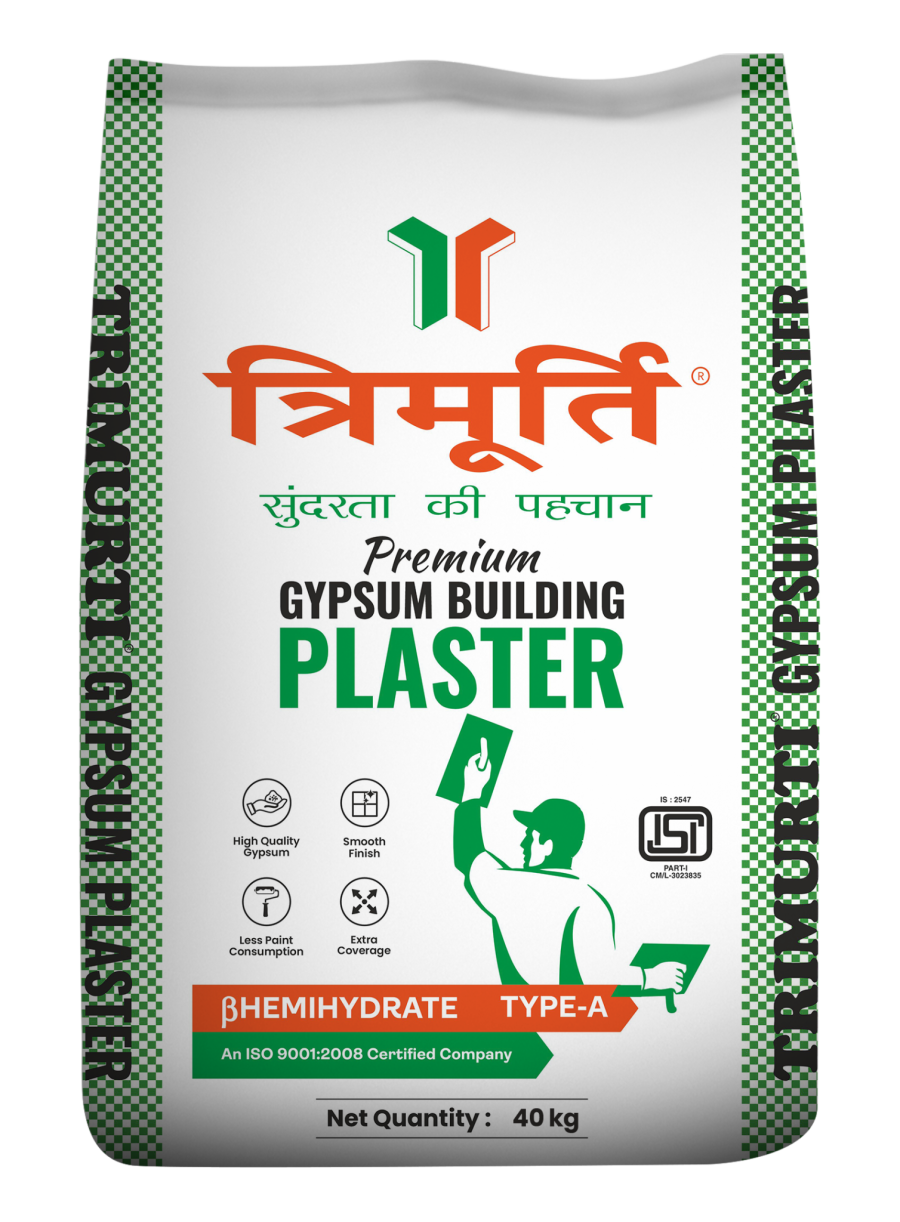
For projects that also require dependable material selection and practical product guidance, Trimurti Products can be a useful choice for professionals seeking consistent solutions for decorative plaster work. Along with suitable plaster systems, selecting compatible wall care products can help maintain the appearance and condition of finished surfaces over time.