







A strong and durable roof is essential for maintaining a comfortable, secure, and well-protected home. Over the years, exposure to sunlight, rain, wind, and changing temperatures can gradually weaken roofing materials. When repairs are no longer sufficient to address ongoing problems, replacing the existing roofing system may become the most practical solution. Investing in professional roof replacement services can improve property protection, enhance exterior appearance, and provide homeowners with greater confidence in their building’s long-term condition.
Understanding When a Roof Needs Replacement
Every roofing system has a limited lifespan that depends on its materials, installation quality, maintenance history, and environmental exposure. As a roof ages, its ability to protect the property may gradually decrease.
Several warning signs can indicate that replacement should be considered. These include frequent water leaks, missing or damaged shingles, widespread surface deterioration, sagging roof sections, and recurring repair requirements.
Homeowners should also pay attention to water stains on ceilings, moisture in attic spaces, and visible damage around roof openings. A professional inspection can help determine whether the existing structure can be repaired or whether a complete replacement would provide a more reliable long-term solution.
Benefits of Installing a New Roofing System
Replacing an aging roof offers several advantages beyond addressing existing damage. A properly selected and installed roofing system can improve the overall performance and appearance of a property.
Some important benefits include:
Improved protection: New roofing materials help protect the home from rain, wind, and environmental exposure.
Better energy efficiency: Appropriate roofing materials and insulation can help maintain comfortable indoor temperatures.
Enhanced appearance: A new roof can give the property a cleaner and more updated exterior look.
Reduced maintenance concerns: Replacing deteriorated materials can help minimize recurring repair requirements.
Property value: A well-maintained roofing system can contribute positively to the overall condition and appeal of a home.
These benefits make roof replacement an important consideration for homeowners planning long-term property improvements.
Choosing the Right Roofing Materials
Selecting suitable roofing materials is one of the most important decisions during a replacement project. Different materials offer different levels of durability, appearance, maintenance requirements, and weather resistance.
Asphalt shingles are commonly selected for residential properties because of their versatility and range of available styles. Metal roofing can provide durability and resistance to several environmental conditions. Other roofing materials may be appropriate depending on architectural design, climate, and property requirements.
Homeowners should consider their budget, preferred appearance, expected maintenance, and long-term performance when evaluating available options.
Professional guidance can help identify materials that match the home’s structure and specific requirements.
The Importance of Professional Installation
Even high-quality roofing materials may not perform properly if they are installed incorrectly. Proper installation involves careful preparation, accurate measurements, suitable underlayment, effective flashing, and attention to ventilation and drainage.
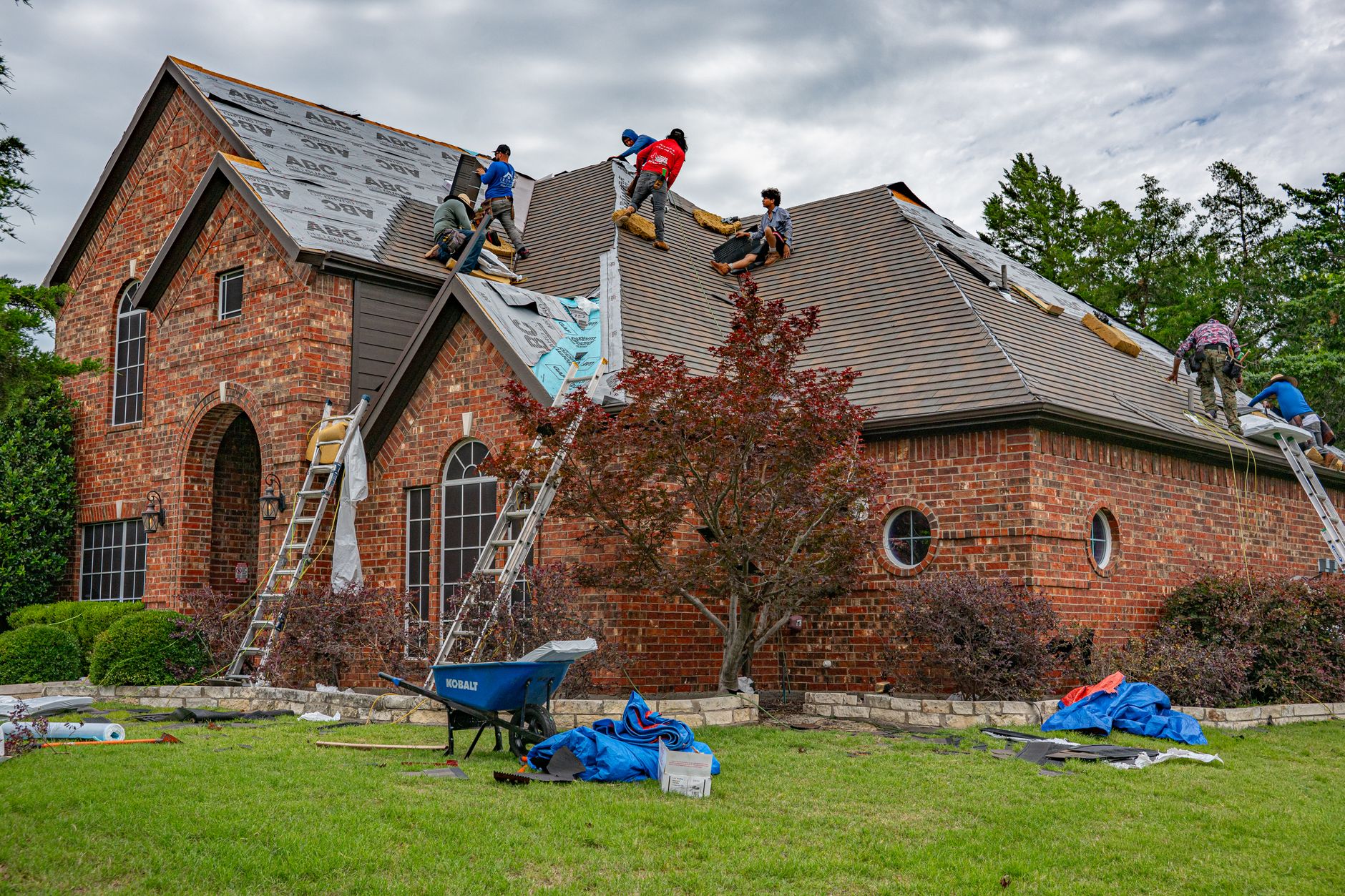
The replacement process generally begins with an inspection of the existing roof. Damaged materials are removed, and the underlying structure is examined for signs of deterioration. Necessary repairs are completed before the new roofing system is installed.
Careful attention to these stages helps create a dependable roofing surface and reduces the possibility of future problems.
Preparing Your Home for Roof Replacement
Planning ahead can make a roofing project more organized and manageable. Homeowners should discuss the project schedule, material selection, estimated costs, and expected completion time with the roofing professionals.
It is also helpful to move vehicles away from the work area, protect outdoor belongings, and keep children and pets away from construction activities.
Maintaining communication throughout the project helps homeowners understand the progress and address questions when necessary.
Maintaining Your New Roof
Once installation is complete, regular maintenance can help preserve the condition of the new roofing system. Periodic inspections can identify loose materials, damaged flashing, drainage problems, and other concerns before they become serious.
Keeping gutters clear, removing accumulated debris when appropriate, and checking for signs of moisture can support long-term roof performance.
Conclusion
A new roofing system is a valuable investment in the safety, appearance, and durability of a home. By recognizing signs of roof deterioration, selecting appropriate materials, and prioritizing professional installation, homeowners can achieve dependable long-term protection. With proper planning and consistent maintenance, a quality roof can provide lasting comfort, improve exterior appeal, and help protect the property for years to come.
What You Need to Know
- A roof’s lifespan is affected by its materials, installation quality, maintenance history, and environmental exposure.
- Warning signs indicating a potential need for roof replacement include frequent water leaks, missing or damaged shingles, and widespread surface deterioration.
- New roofing systems can improve protection, energy efficiency, appearance, reduce maintenance concerns, and positively impact property value.
- Asphalt shingles are a common choice for residential roofing due to their versatility and range of styles, while metal roofing offers durability and resistance to environmental conditions.
- Professional installation is crucial for roofing materials to perform properly, which includes careful preparation, accurate measurements, and effective flashing.
- Regular maintenance after installation, such as periodic inspections and clearing gutters, is essential for preserving the condition of a new roofing system.